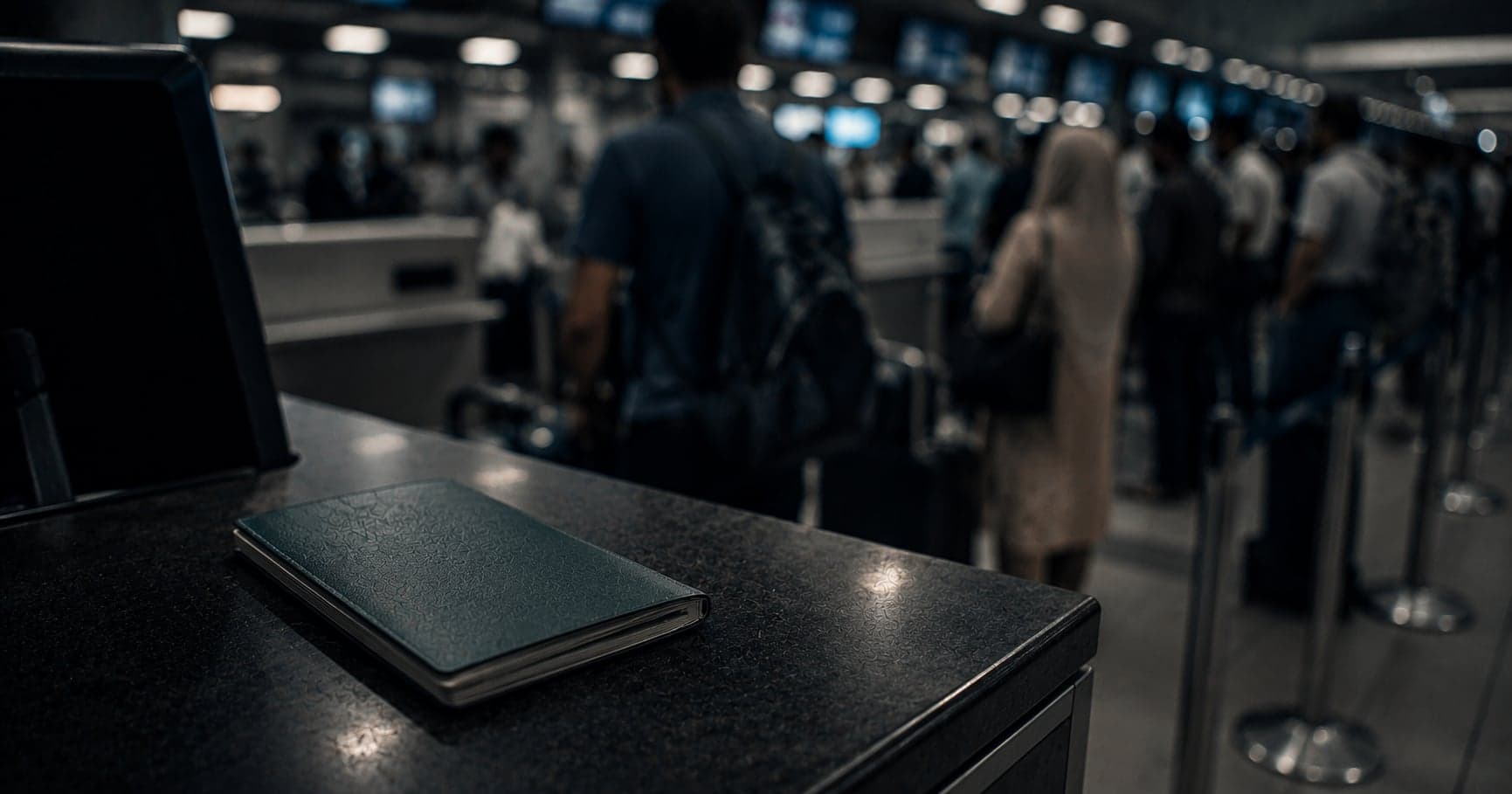
A Pakistani, Sri Lankan, or Bangladeshi passport holder planning the same trip as a British or Emirati colleague is often planning a fundamentally different logistical exercise — not because the destination is different, but because the passport is.
This is not a complaint about fairness. It is simply the operating reality, and it changes how South Asian travellers need to think about their documentation compared to advice written with a different passport in mind.
The visa-required reality
Most global visa ranking indices consistently place Pakistani, Bangladeshi, and to a lesser extent Sri Lankan passports among the more restricted in terms of visa-free access. Where a UK or UAE passport holder might travel visa-free or with an ETA to the large majority of destinations, South Asian passport holders typically need a traditional visa application for most of the same trips — Schengen, UK, US, Canada, Australia, and many others.
This means the volume of visa applications a frequent South Asian traveller files over a decade is simply much higher than for travellers from many other nationalities making comparable trips. More applications means more travel history requests, more documentation requirements, and more opportunities for the kind of inconsistency between applications that draws unwanted scrutiny.
Why this makes documentation discipline non-negotiable
For a traveller who rarely needs a visa, an imperfect travel record is mostly a personal inconvenience — reconstructing history when the occasional application asks for it. For a South Asian frequent traveller filing several visa applications a year, an imperfect record compounds. Every application is another opportunity to introduce a small inconsistency, and every previous application is a data point a future consular officer could, in principle, cross-reference against.
This is not a hypothetical concern. Visa-issuing countries increasingly share data and use pattern analysis across applications, particularly for nationalities with higher application volumes. A South Asian applicant's overall pattern — across every visa they have ever held, every trip they have ever taken — is more likely to be scrutinised as a whole than a Western passport holder's occasional, isolated application.
The Home Ties question, specifically for South Asian applicants
Home Ties evidence matters for every applicant, but it carries particular weight for South Asian passport holders, precisely because visa officers assessing applications from higher-application-volume nationalities are often looking harder for evidence of genuine intent to return.
This is where the distinction matters most for South Asian expats specifically — someone from Pakistan, Sri Lanka, or Bangladesh living and working in the UAE, Saudi Arabia, or elsewhere in the Gulf needs to present ties to their actual country of residence, not just their country of citizenship, and needs to present it clearly and well-documented, because the assumption of trust that a less-scrutinised nationality might receive by default is simply not something to rely on.
The Umrah and Hajj dimension
For the large Muslim populations across Pakistan, Bangladesh, and Sri Lanka, regular travel to Saudi Arabia for Umrah and Hajj adds a specific, recurring documentation need that intersects directly with the broader visa-application volume challenge. Every Umrah visit is another entry in a travel history that a future Schengen, UK, or US application may ask about — and the Hijri-date, inconsistent-stamp problem specific to Saudi travel makes this exactly the kind of record most likely to have gaps or inaccuracies if not tracked properly from the start.
What this means practically
Expect more visa applications over your travelling lifetime than advice written for other passport holders assumes. Plan your documentation discipline accordingly — the habit of logging every trip accurately matters more for you than it does for a traveller who only occasionally needs to produce a travel history.
Build your Home Ties case deliberately, especially as an expat. Do not assume your travel pattern will be read charitably by default. Have the employment documentation, the residence evidence, and the travel history report ready to make the case clearly.
Keep every application's travel history consistent with your actual logged record, precisely because the cost of a discovered inconsistency is higher when your overall application volume and scrutiny level are both already elevated.
Treat Saudi Arabia travel with the same documentation discipline as any Western destination, converting Hijri dates accurately and keeping the same standard of record for Umrah and Hajj visits as for a Schengen or UK trip.
The advantage of getting this right
None of this is a reason for pessimism. South Asian frequent travellers who maintain accurate, consistent, well-documented travel histories generally do not struggle with visa applications — the friction comes from incomplete or inconsistent documentation, not from nationality itself being an insurmountable barrier.
The travellers who find this hardest are usually not dealing with a genuinely difficult case. They are dealing with an ordinary case, poorly documented, in an environment where the margin for that kind of imprecision is simply thinner than it would be for a less-scrutinised passport.
Managing this in PassportTrail
For South Asian passport holders specifically, the value of accurate, continuous travel history tracking is proportionally higher — more applications, more scrutiny, and more compounding cost from any single inconsistency across a travelling lifetime.
Log every trip, including every Umrah and Hajj visit, as it happens. Build your Home Ties record if you are an expat. Keep every application drawing from the same accurate source, so nothing drifts between filings.
The visa landscape for Pakistani, Sri Lankan, and Bangladeshi passport holders is genuinely more demanding than for many other nationalities. That reality does not change by wishing it were otherwise. What changes the outcome is documentation discipline applied consistently, from the first trip you ever log onward.